
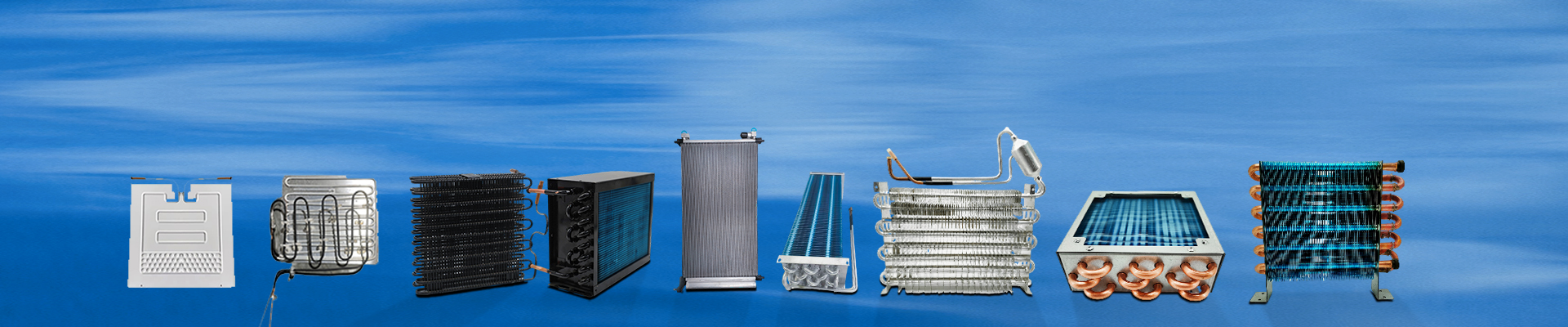
1. Definition & Origin
2. Manufacturing & Internal Structure
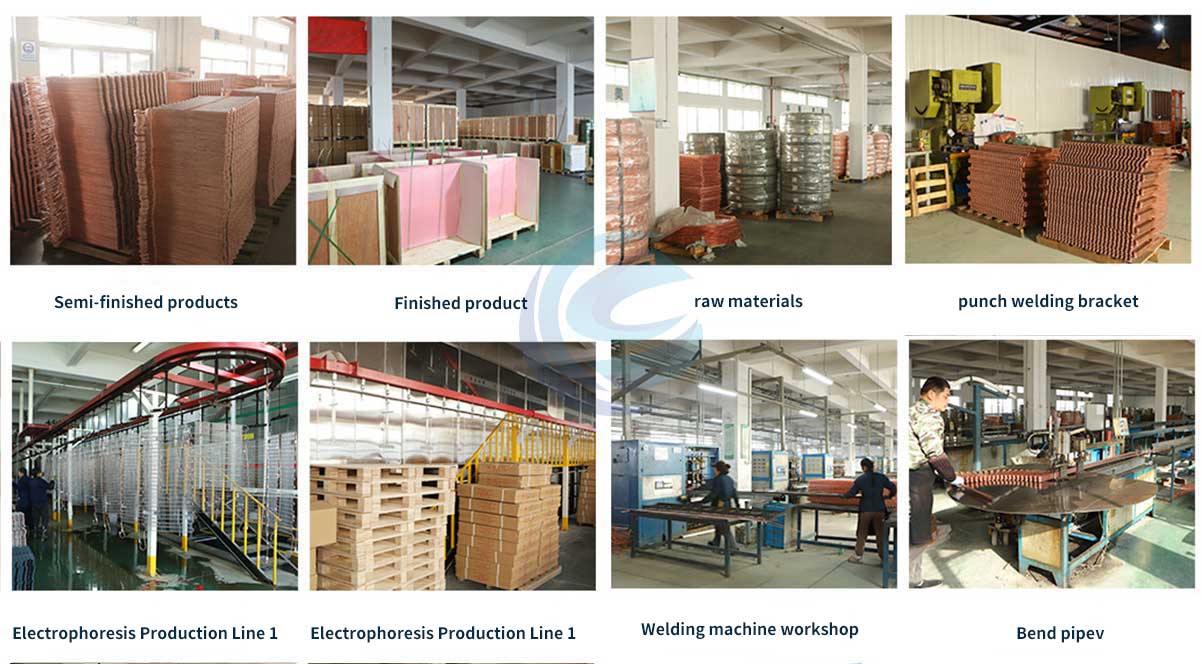
- Raw material: Thin low-carbon steel strip with copper cladding on the surface;
- Forming: The steel strip is rolled and folded into a double-layer tubular shape with an overlapping seam;
- Sealing: High-temperature resistance brazing fuses the entire overlapping seam into an integrated airtight pipe wall (360° full welding, zero leakage risk);
- Anti-corrosion treatment: Final galvanizing or black electrophoretic coating to resist rust.
3. Core Performance Advantages
- Ultra-high pressure & vibration resistance
Double-layer steel structure delivers 30% higher burst strength and fatigue resistance than single-layer copper/aluminum tubes. It withstands long-term vibration and refrigerant pressure fluctuations without cracking or leaking, widely recognized for automotive brake pipelines.
- Complete airtightness
Full circumferential brazed seam eliminates hidden leakage points, stable for sealed refrigeration fluid circulation.
- Excellent bendability & processing performance
Soft steel substrate allows repeated serpentine/S-shaped bending to make compact condenser coils, perfectly matching wire tube condenser assembly.
- Significant cost advantage
Material cost far lower than pure copper tube, effectively cutting the total cost of refrigeration heat exchangers while maintaining mechanical reliability.
- Anti-corrosion coating
Copper inner coating + outer zinc/black paint layer slows oxidation and rust inside the pipe.
4. Main Application Scenarios
- Refrigeration Industry (your core product field)
Wire Tube Condenser / Evaporator for household refrigerators, commercial freezers, display coolers, industrial air conditioners; the black wire mesh radiators you provided are all made of Bundy tubes.
- Automotive Industry
Automotive hydraulic brake pipelines, fuel transmission tubes, oil cooler coils (the earliest mainstream application of Bundy tube).
- Other industrial equipment
Small hydraulic pipelines, cooling coils for machinery, instrument fluid delivery tubes.
5. Difference vs Copper Tube
- Bundy Tube: Steel base, high mechanical strength, low cost, lower thermal conductivity; relies on dense wire mesh fins to compensate heat dissipation efficiency.
- Pure Copper Tube: Superior thermal conductivity, better corrosion resistance, much higher material cost, weaker pressure and anti-extrusion capacity.